FOR IMMEDIATE RELEASE
ConceptVines Appoints Brian Feuer, Former McKinsey Global Head of Portfolio Management, to Advisory Board Feuer brings two decades of enterprise […]

ConceptVines Appoints Brian Feuer, Former McKinsey Global Head of Portfolio Management, to Advisory Board Feuer brings two decades of enterprise […]
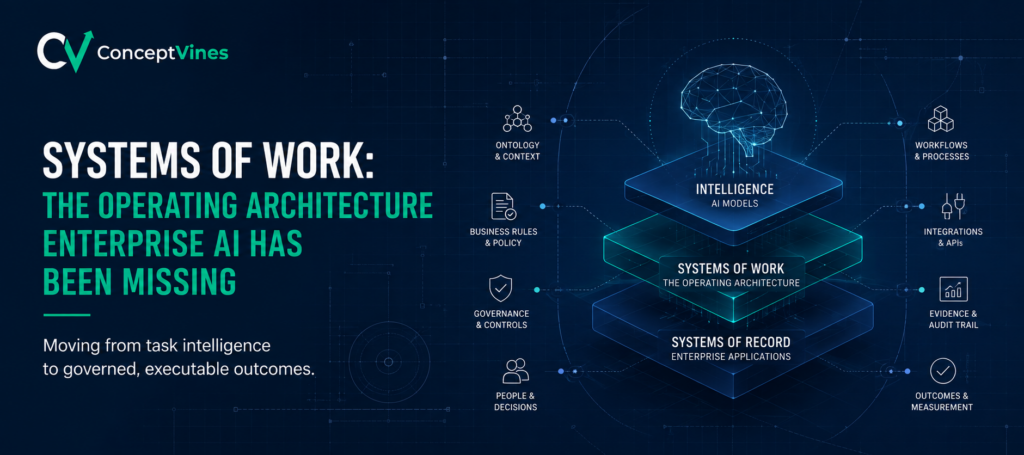
Enterprise AI has spent the past two years proving that intelligence can be added to almost any task. It can
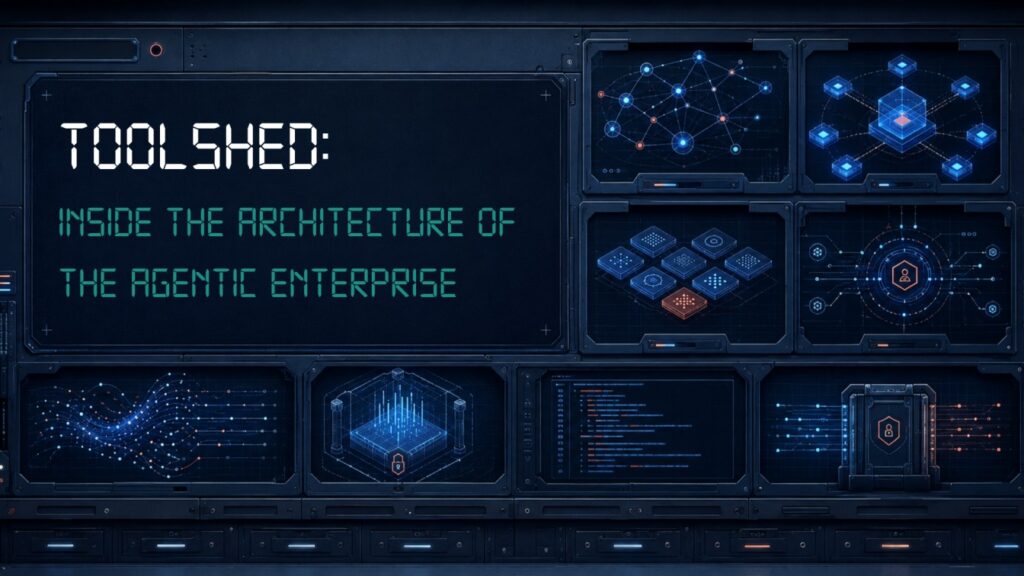
ToolShed: Inside the Architecture of the Agentic Enterprise Enterprise AI is moving from a model-centric phase to an architecture-centric one.

As Artificial Intelligence (AI) adoption accelerates across industries, enterprises are under mounting pressure to innovate faster, without exposing themselves to new forms of cyber and regulatory risk. For highly regulated sectors like banking and healthcare, the stakes are especially high: fragmented infrastructure, evolving compliance demands, and vulnerable data pipelines can derail even the most promising digital initiatives.
To address these challenges, ConceptVines, an AI-first innovation and transformation platform, has partnered with Neovera, the trusted advisor providing full cybersecurity and cloud services to enterprises. Together, the companies are bridging innovation and cyber risk management, delivering secure, compliant, and scalable AI deployments for clients across banking, healthcare, and complex enterprise environments.
Technology isn’t evolving—it’s colliding. Predictive and Generative AI, Quantum Computing, Blockchain, and Robotics—forces that once moved in parallel are now converging at an exponential pace. Entire industries are being rewritten in real-time. The question isn’t whether disruption is coming. It’s here. And only those who act decisively will own the next era.
The global AI market is projected to exceed $300 billion by 2026. Blockchain is growing at a compound annual rate of over 60%. McKinsey predicts that the global economy can expand by over $4 trillion yearly through effectively applied generative AI. These numbers are not just indicators of growth—they signal the reshaping of business, governance, and society itself.